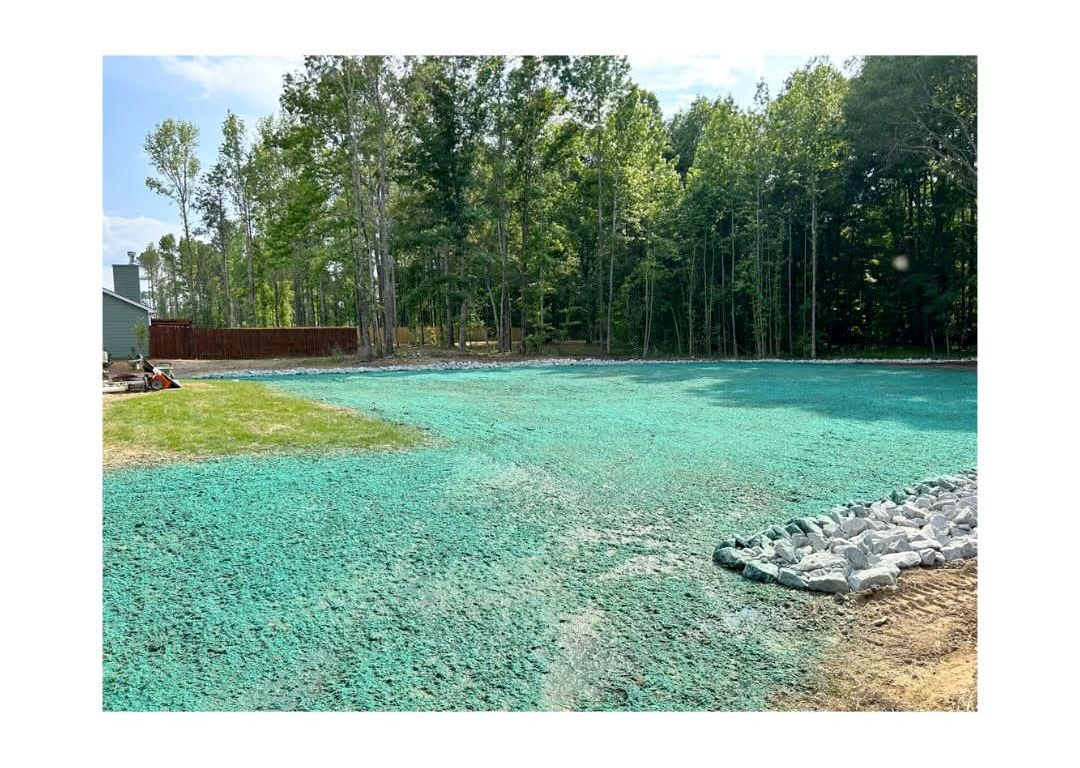
The First 30 Days of Hydroseeding
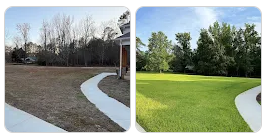
Rome was not built in a day, and a magnificent, deep-green lawn is no exception.
Watching a team spray bright green slurry all over your bare dirt is an exciting moment. It feels like instant gratification. But once the crew drives away, reality sets in, and the waiting game officially begins.
For many homeowners, those first few weeks bring a lot of unexpected anxiety. You catch yourself staring out the window, wondering if anything is actually happening beneath that colorful layer of mulch.
To help you navigate this waiting period, let's break down exactly what happens during the critical first month so you can care for your investment with total confidence.
Days 1 to 5: The Wet Blanket Phase
The initial week after application is all about stabilizing the seed and keeping the environment perfectly damp.
Right now, your yard looks like a bright green or bluish-green carpet. This is completely normal. The color comes from a natural dye mixed into the wood or paper fiber mulch, helping the technicians ensure even coverage across the terrain.
During these first few days, the mulch acts like a protective sponge. It locks in moisture, shields the delicate grass seeds from scorching sun exposure, and prevents hungry birds from eating your future lawn.
Your primary job during this phase is keeping that blanket wet. The seeds are busy absorbing moisture, swelling up, and getting ready to burst through their shells.
Days 6 to 10: The First Signs of Life
This is the moment where your patience finally begins to pay off with visible progress.
Around day seven, depending on the specific seed blend and weather conditions, you will notice a soft green haze spreading across the dirt. These tiny green shoots are incredibly small and delicate, resembling fine hairs lifting out of the fading mulch.
Do not panic if the growth looks slightly uneven at first. Different areas of your yard receive varying amounts of sunlight and warmth, causing certain patches to sprout a day or two ahead of the rest.
The dye in the mulch will also start to fade significantly during this time. The sun naturally bleaches the color out as the underlying organic fibers begin breaking down into nutrients for the soil.
Did You Know
The root systems of your new grass blades grow twice as fast as the visible green shoots above the surface. Even if the top looks sparse during week two, an intricate network of roots is actively anchoring itself deep into your dirt.
Days 11 to 15: The Awkward Teenage Stage
Your new yard is officially growing, but it probably will not look like a picture-perfect golf course just yet.
By the middle of the month, the grass shoots should stand roughly an inch tall. The lawn might look a bit patchy, splotchy, or thin in certain areas. This is a completely standard stage of development.
The individual grass plants are currently competing for space and expanding their root networks. Avoid the strong temptation to walk out onto the turf to inspect these thin spots, as the ground is still soft and highly susceptible to deep footprints.
Days 16 to 20: Establishing Deep Roots
As you enter the back half of the month, the grass begins shifting its energy from rapid upward growth to horizontal thickening.
Adjusting Your Watering Routine
Now that the root systems are established, you need to change how you irrigate. Instead of short, frequent watering bursts that merely mist the surface, transition to longer, deeper watering cycles.
Encouraging Deep Growth
Watering deeply teaches the root systems to stretch further down into the earth to find moisture. This structural training makes your turf significantly more resilient against future summer droughts and heat waves.
Days 21 to 25: Filling in the Blanks
By day twenty-five, those early thin areas should start closing up as the individual grass blades mature and expand.
The lawn will take on a much deeper, richer green color. The original mulch layer is mostly disintegrated now, fully integrated into the topsoil as organic matter.
Take a close look at the height of the blades. You are rapidly approaching the threshold for the very first maintenance milestone of your new turf.
Care Tips
Keep all heavy lawn furniture, kids' toys, and pets off the grass until after the first mow.
Avoid using any weed control chemicals or fertilizers during these first thirty days.
Walk across the lawn only to adjust sprinklers, wearing flat shoes to distribute your weight.
Days 26 to 30: The Milestone First Mow
You have officially made it to the end of the first month, and it is finally time to give your new lawn its inaugural trim.
Before you start up the mower, make sure the soil is relatively dry. If you attempt to mow right after a heavy watering cycle, the wheels will sink into the mud, tearing up the fragile root systems you spent weeks cultivating.
Set your mower deck to its highest position. You never want to cut off more than one-third of the total grass blade height during a single mowing session. Sharp blades are non-negotiable here, as dull blades will rip the young grass right out of the ground instead of slicing it cleanly.
Partner with an Industry Leader
Getting through the first thirty days requires consistent effort, but starting with the right application makes the entire journey much easier.
As an industry leader, Elevate Hydroseeding provides custom, premium-blend slurry mixtures designed specifically for your unique soil profile and local climate conditions. Their expert technicians utilize specialized equipment to apply the perfect thickness of seed, mulch, and tackifiers, giving your yard the absolute best start possible.
Frequently Asked Questions
What is the best hydroseeding watering schedule if it rains unexpectedly during the first week?
If Mother Nature provides a heavy downpour, turn off your automated sprinklers immediately. The goal is to keep the mulch damp, not saturated. Puddles and running water can wash the seed mixture away, so let the natural rainfall do the work and resume your regular schedule once the surface dries out.
When can I let my dogs run around on the new grass?
You should wait at least four standard weeks before allowing pets onto the lawn. Dog paws, sharp claws, and running pivots can easily gouge the soft soil and pull up the shallow root systems of young grass seedlings.
Why do I see a few weeds popping up alongside my new grass shoots?
Tilling the soil exposes dormant weed seeds to sunlight and water, causing them to germinate. Do not spray them with weed killer yet, as chemicals will destroy your young grass. The best hydroseeding practice is to simply let the grass grow; regular mowing over the next few months will naturally crowd out and eliminate those temporary weeds.

Anthony
Anthony is a seasoned professional in the landscaping industry, boasting years of hands-on experience. As the founder of Elevate Hydroseeding, he has shaped the company's vision and success.
Throughout his career, Anthony has become a trusted figure in the world of landscaping. His passion for transforming outdoor spaces led him to establish Elevate Hydroseeding, a company dedicated to turning clients' landscaping dreams into breathtaking realities.