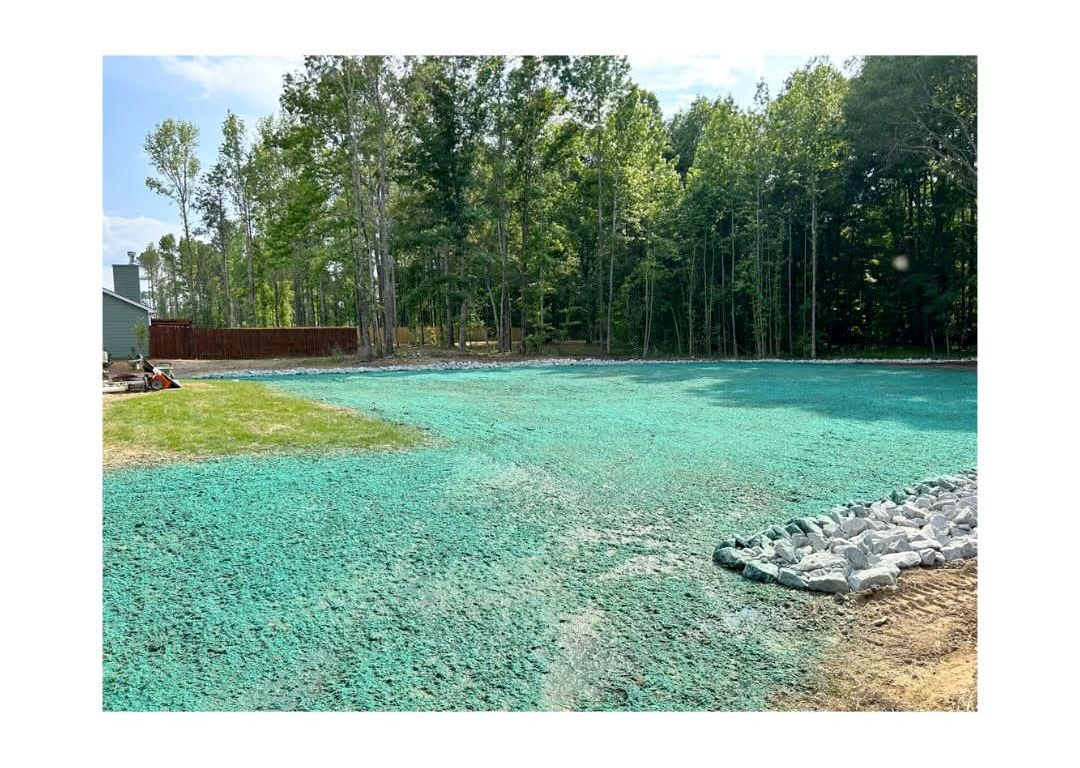
The Hidden Benefits of Hydroseeding Over Traditional Seeding

One of the most noticeable benefits of hydroseeding is the speed and uniformity of grass growth. Traditional seeding often results in patchy areas, with some seeds failing to germinate or being washed away by rain. In contrast, hydroseeding applies a thick layer of seed and mulch directly to the soil, protecting the seeds and keeping them in place.
This means grass often sprouts faster, covers the lawn evenly, and develops into a fuller, healthier turf. For anyone searching for hydroseeding near me, this method offers a clear advantage over hand-seeding or broadcast spreading.
Reduced Erosion and Soil Loss
Sloped or uneven yards are prone to erosion during heavy rain. Traditional seeding methods leave seeds exposed, allowing soil and seeds to wash away before germination. Hydroseeding creates a protective mulch layer around the seeds, holding soil in place and reducing runoff.
This is especially valuable for homeowners dealing with new landscaping projects, construction sites, or erosion-prone areas. Hydroseeding stabilizes the ground while promoting grass growth, saving time and effort compared to replanting lost seed patches. For homeowners and property managers, establishing a healthy lawn can be a challenge. Grass growth depends on timing, soil preparation, and the method of seeding used. While traditional seeding is common, hydroseeding has become a preferred method for many seeking faster results, stronger growth, and a cleaner installation process.
Hydroseeding involves spraying a mixture of grass seed, mulch, fertilizer, and water evenly across the soil. This approach combines several advantages that traditional seeding methods simply cannot match. Choosing the right method can make a significant difference in the appearance, health, and longevity of your lawn.
Nutrient-Rich Growth Environment
Hydroseeding mixes fertilizer directly into the slurry along with the seeds and mulch. This makes sure that the grass receives essential nutrients from the start, promoting faster germination and stronger root systems.
Traditional seeding requires separate fertilizer applications, which can be uneven or washed away, limiting the seeds’ ability to establish properly. The nutrient-rich environment of hydroseeding gives lawns a head start and improves resilience against weeds, pests, and dry conditions.
Cost and Labor Efficiency
While hydroseeding may seem more expensive upfront than spreading seed by hand, it often proves more cost-effective over time. Faster germination, reduced erosion, and less need for replanting save labor and material costs.
For larger properties, using a hydroseeding company is often far more practical than managing traditional seeding yourself. Professionals can complete the project efficiently, ensuring even coverage and proper installation.
Better Coverage in Hard-to-Reach Areas
Hydroseeding is particularly useful for areas that are difficult to reach with sod or manual seeding. Slopes, narrow spaces, or uneven terrain can make traditional methods challenging.
A professional hydroseeding team can spray the slurry evenly, covering areas that might otherwise remain bare. Compared to sod installation services, hydroseeding can be applied quickly over large or irregular areas without the need to cut and fit sod pieces.
Less Maintenance in the Early Stages
Because hydroseeding protects seeds with mulch and incorporates nutrients into the slurry, new lawns often require less initial care. The seeds are shielded from birds and surface drying, reducing the risk of failure.
Homeowners can focus on monitoring water and minor adjustments rather than replanting or patching bare spots. Traditional seeding often requires closer attention and repeated interventions, especially in the first few weeks.
Flexibility and Scalability
Hydroseeding works for lawns of all sizes. Whether it’s a small yard, a large commercial property, or erosion-prone hillsides, the method scales easily. Sod installation services can be more time-consuming and labor-intensive for large areas, making hydroseeding a more practical choice in many cases.
When to Choose Hydroseeding
- Large yards or commercial properties where speed and uniformity matter
- Sloped or uneven areas prone to erosion
- Projects where a healthy lawn is needed quickly
- Homeowners seeking a cost-effective solution compared to sod installation
By understanding the hidden advantages of hydroseeding, property owners can make informed decisions about the best approach for their lawn.
Frequently Asked Questions
How soon will my hydroseeded lawn start to grow?
Grass typically begins to sprout within 7–14 days, depending on the seed type, weather, and soil conditions.
Can hydroseeding replace sod installation services?
Yes, for most residential and commercial lawns. Hydroseeding is often faster and more uniform, though sod may be preferred for instant coverage or high-traffic areas.
Anthony
Anthony is a seasoned professional in the landscaping industry, boasting years of hands-on experience. As the founder of Elevate Hydroseeding, he has shaped the company's vision and success.
Throughout his career, Anthony has become a trusted figure in the world of landscaping. His passion for transforming outdoor spaces led him to establish Elevate Hydroseeding, a company dedicated to turning clients' landscaping dreams into breathtaking realities.