Hydroseeding vs Sod: Which Is Cheaper?
Hydroseeding vs Sod: Which Is Cheaper?
When you are pricing a new lawn, the first question is usually simple: how much is this going to cost? The answer gets less simple when you compare hydroseeding with sod. One option grows a lawn from seed protected by mulch, while the other places mature grass directly over prepared soil. Both can produce a beautiful yard, but the price, timeline, and care needs are different.
For most medium-to-large Georgia lawns, hydroseeding is the less expensive option upfront. Sod normally costs more because you are purchasing mature turf and paying for the labor needed to transport, cut, fit, and install it. That does not automatically make sod the wrong choice. The better value depends on the size of the yard, the condition of the soil, how quickly you need coverage, and how much follow-up care you can provide.
Here is what homeowners should include in a true cost comparison.
What You Are Paying for With Hydroseeding
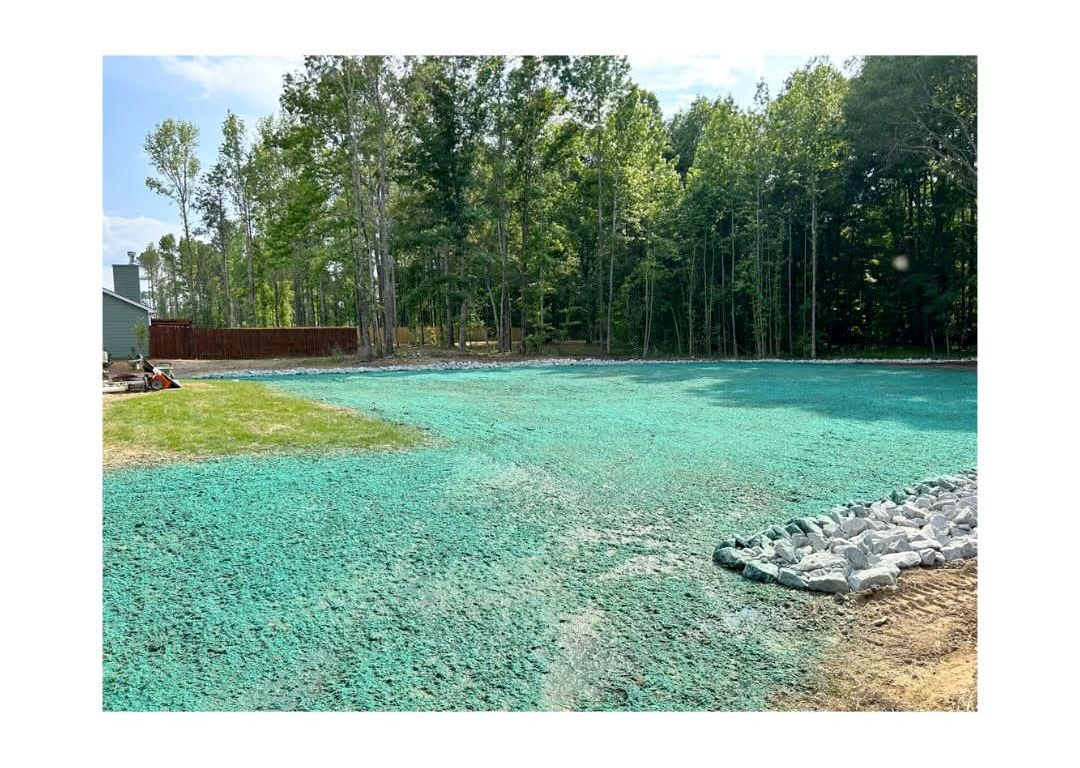
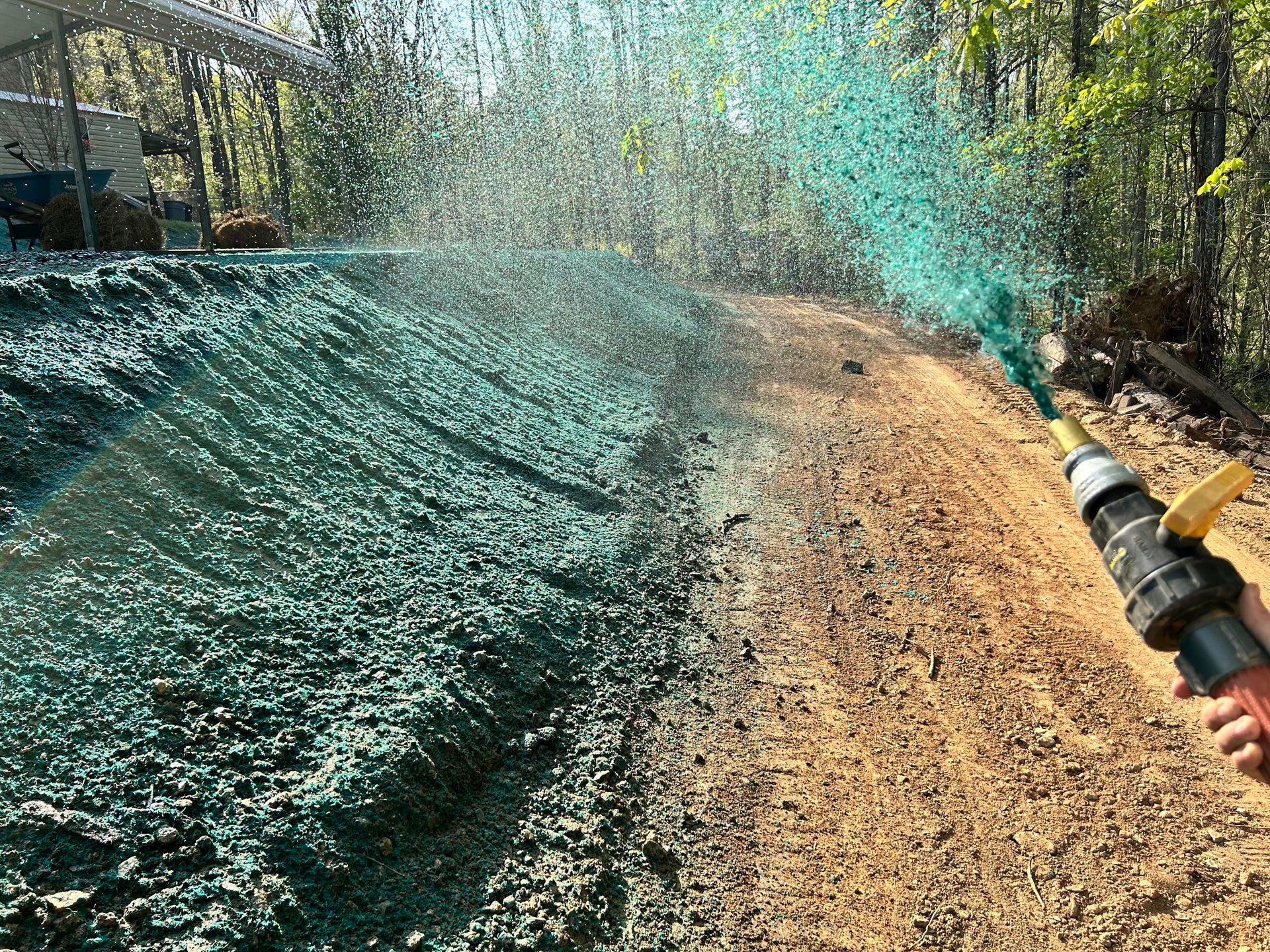
Professional hydroseeding applies a mixture of grass seed, water, mulch, and fertilizer over prepared soil. Depending on the property and seed mix, a tackifier may also be added to help the material stay in place. The equipment spreads the mixture quickly and evenly, which is one reason hydroseeding can be cost-effective on larger areas.
A hydroseeding estimate may account for:
The size of the area being covered- The grass variety or custom seed blend
- Mulch, starter fertilizer, and other material in the slurry
- Labor and equipment
- Slope, access, and hose reach
- Soil preparation, grading, or erosion-control needs
Hydroseeding does not provide an instant finished lawn. You are paying for a method that helps seed establish, not for mature grass on installation day. The lawn will need consistent moisture while it germinates and fills in. Homeowners who can follow the watering plan often find that the lower installation cost is worth the wait.
What You Are Paying for With Sod
Sod installation involves harvesting mature turf, delivering it in rolls or slabs, and fitting it across the prepared yard. The material itself is more expensive than seed, and installation is more labor-intensive. Crews must move heavy pieces, trim around beds and walkways, stagger seams, and roll the finished surface so the roots make good contact with the soil.
A sod estimate may include:
The sod variety and number of pallets- Delivery charges
- Removal of old turf or weeds
- Soil preparation and surface leveling
- Installation labor and edge cutting
- Rolling and initial watering
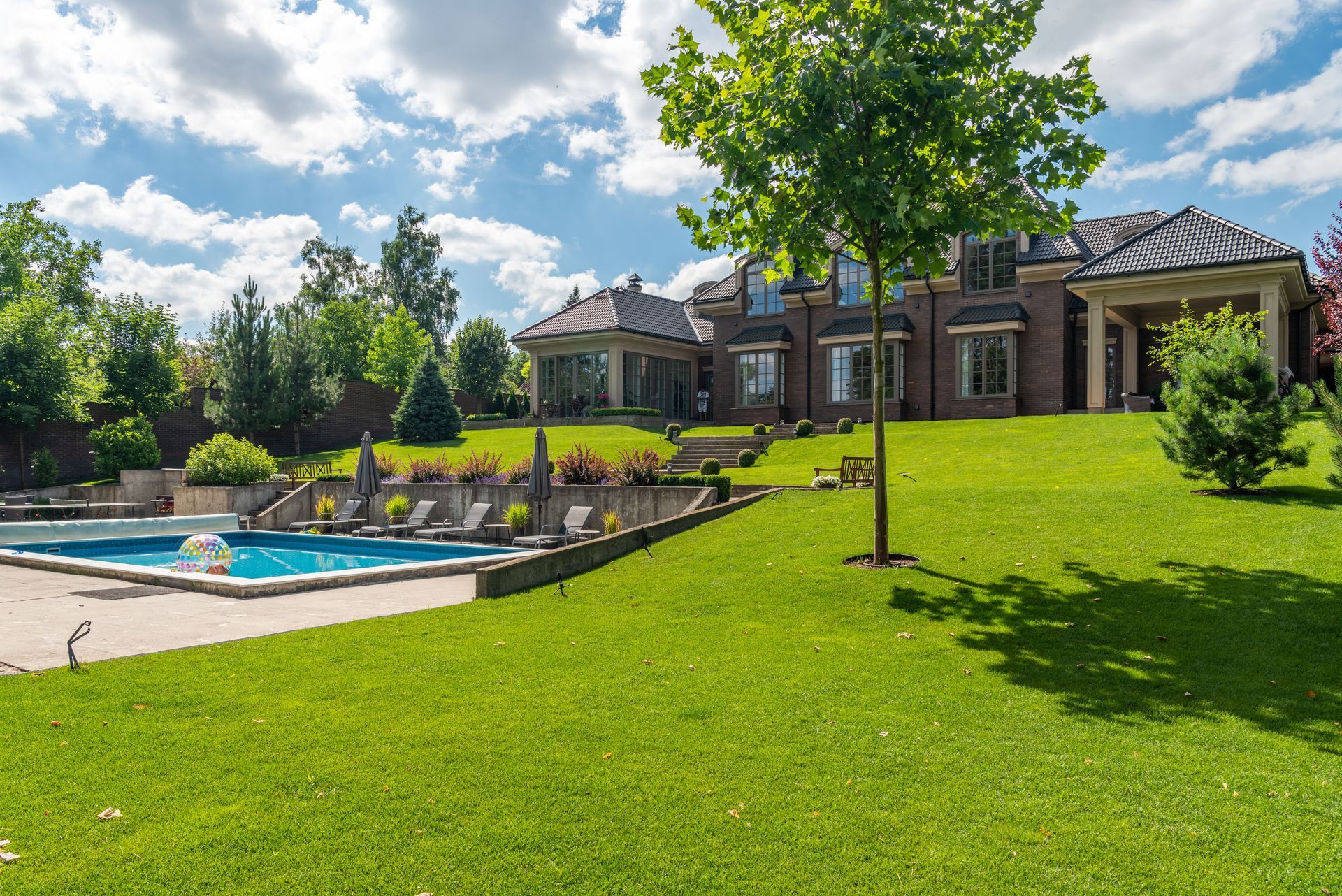
That higher cost buys speed. The yard looks green as soon as the sod is laid, and the mature turf gives the soil immediate coverage. Sod can be appealing when curb appeal is urgent, when mud must be controlled quickly, or when a specific area needs a finished look right away.
Why Square Footage Changes the Answer
The larger the yard, the more noticeable the price gap can become. Hydroseeding equipment can cover broad areas without workers handling thousands of individual pieces of turf. Sod requires material for every square foot plus the labor to place it.
Small projects can work differently. Hydroseeding contractors may have a minimum service charge because the truck, equipment, and crew still have to be prepared and brought to the property. For a very small patch near a walkway, a few pieces of sod may be practical. For a bare backyard, new construction lot, or large slope, hydroseeding will often offer better upfront value.
The only reliable way to compare is to have both methods priced for the same measured area and the same level of preparation. A low quote that leaves out grading, old-lawn removal, or irrigation work is not a fair comparison with a full-service estimate.
Soil Preparation Belongs in Both Budgets
Neither hydroseed nor sod can correct a poor foundation by itself. Compacted red clay, construction debris, deep ruts, low spots, and drainage problems should be addressed before the new lawn goes down. Skipping that work may lower the first invoice, but it can lead to thin growth, standing water, erosion, uneven mowing, or costly repairs later.
Some properties need only clearing and a final rake. Others benefit from topsoil, soil amendments, or
grading and reshaping services. Ask what preparation is included in each estimate, what will be done before installation, and whether the finished grade will move water away from the house.
Preparation is one of the biggest reasons two lawns of the same size can receive very different quotes. It is also one of the worst places to cut corners.
Do Not Forget the Cost of Watering
Both methods need water after installation. Hydroseeded soil must stay consistently moist during germination without becoming saturated or washing out. New sod also needs regular watering while its roots begin growing into the soil below.
Your actual water use will depend on weather, soil, grass type, sprinkler coverage, and the care plan provided for the job. If the yard has dry corners or uneven pressure, dragging hoses around a newly installed lawn can be frustrating. In some cases, repairing or planning
irrigation installation before the lawn project can make watering more consistent and protect the money already invested.
Homeowners should include water use, sprinklers, timers, and their own time in the decision. The less expensive installation can become costly if the watering plan is not realistic for the property.
When Sod May Be Worth the Higher Price
Sod may provide the better overall value when:
You need immediate green coverage for a sale, event, or move-in- Children or pets need a usable yard sooner
- Bare soil is creating a serious mud problem
- A small, visible section needs a fast repair
- The property has a short establishment window
- You prefer a mature, uniform appearance from day one
Remember that “instant lawn” describes the look, not complete root establishment. New sod still needs careful watering and limited traffic while the roots take hold.
When Hydroseeding Usually Makes More Financial Sense
Hydroseeding is often the stronger value when:
You need to cover a large bare area- You want more flexibility in the seed blend
- The property includes slopes or broad, open ground
- You can keep the surface moist during germination
- You are comfortable allowing the lawn time to fill in
- Upfront cost is a major part of the decision
It can also be a smart middle ground for homeowners who want more coverage and moisture retention than dry seed provides without paying the material and labor cost of sod.
Compare Total Value, Not Just the Lowest Number
When reviewing estimates, ask the same questions of every contractor. Is old vegetation removal included? Will the soil be graded? What grass type is recommended for the sunlight on the property? Is the watering plan realistic? What happens if rain causes runoff? Who provides care instructions after installation?
A strong proposal should make the scope easy to understand. It should also account for your yard rather than relying on a one-size-fits-all price. A shady side yard, sunny front lawn, steep bank, and compacted construction lot may need different solutions even when their measurements are similar.
So, Which Is Cheaper?
Hydroseeding is generally cheaper than professionally installed sod, especially across a larger prepared area. Sod costs more upfront but delivers an immediate green surface. The final total for either method depends on grass type, square footage, preparation, access, drainage, and watering needs.
Elevate Hydroseeding installs both options, so the recommendation can be based on the property instead of a preference for only one method. If you are comparing hydroseeding cost with sod installation cost for a Georgia lawn,
request a free quote or call 770-589-4457. A site-specific estimate will show which choice gives you the right balance of budget, timing, and long-term results.
Anthony
Anthony is a seasoned professional in the landscaping industry, boasting years of hands-on experience. As the founder of Elevate Hydroseeding, he has shaped the company's vision and success.
Throughout his career, Anthony has become a trusted figure in the world of landscaping. His passion for transforming outdoor spaces led him to establish Elevate Hydroseeding, a company dedicated to turning clients' landscaping dreams into breathtaking realities.