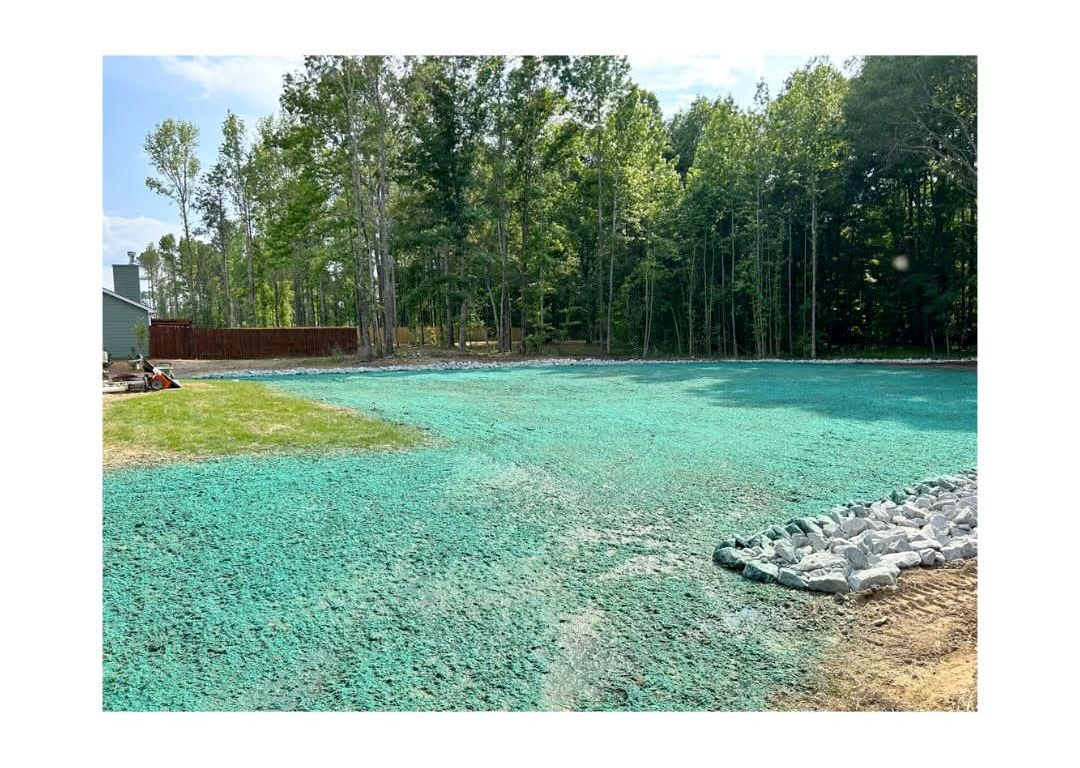
Hydroseeding 101: Everything You Need to Know

Imagine transforming a barren lawn into a lush, green paradise in no time. Welcome to the world of hydroseeding! This innovative technique has revolutionized the way we approach landscaping, offering a quick and efficient solution for establishing grass and ground cover. Whether you're a homeowner, contractor, or just a curious green thumb, here’s a guide to understanding everything about hydroseeding.
What is Hydroseeding?
Hydroseeding is a method of planting grass that involves spraying a mixture of seed, mulch, fertilizer, and water over a prepared area. This slurry is applied using a specialized machine, which evenly distributes the mixture across the soil surface. The process is not only faster than traditional methods but also results in excellent seed-to-soil contact, promoting better germination rates.
How Does Hydroseeding Work?
The key to hydroseeding’s success lies in its unique application process. Here's a step-by-step look at how it works:
- Preparation: The soil is prepared by clearing debris and making sure the ground is level. This creates an ideal environment for seed germination.
- Mixing: Seeds, mulch, water, and often a tackifier (to help the mixture stick to slopes and irregular surfaces) are combined in a hydroseeder tank.
- Application: Using a hose, the slurry is sprayed evenly over the soil. The mulch acts as a protective layer, retaining moisture and shielding seeds from birds and harsh weather.
- Germination and Growth: With optimal conditions, seeds typically begin to germinate within 7 to 10 days, with full coverage in about 3 to 4 weeks.
Benefits of Hydroseeding Over Traditional Methods
Hydroseeding offers several advantages compared to traditional seeding or sod installation:
- Cost-Effective: While more expensive than dry seeding, it's generally more affordable than sod, making it an attractive option for large areas.
- Quick Application: Larger areas can be covered in a shorter time compared to hand seeding.
- Uniform Growth: The mulch in the mixture makes sure that even distribution and germination, leading to a more consistent lawn.
- Erosion Control: Ideal for slopes and areas prone to erosion, the tackifier in the slurry helps the seeds stay in place until they germinate.
Ideal Conditions for Hydroseeding
For the best results, certain conditions should be met:
- Timing: The best time for hydroseeding is during the growing seasons, spring and fall, when temperatures and moisture levels are optimal for seed germination.
- Soil Preparation: Proper soil preparation, including grading and adequate drainage, is important.
- Climate Adaptation: Consider the local climate and choose seed varieties that thrive in your region.
Types of Projects Suited for Hydroseeding
Hydroseeding is versatile and can be used in various settings:
- Residential Lawns: Ideal for new homes or renovating existing yards.
- Commercial Landscapes: Great for business parks, schools, and public spaces.
- Erosion Control: Perfect for stabilizing slopes, embankments, and areas post-construction.
- Athletic Fields: Quickly establishes durable and uniform turf for sports facilities.
Maintenance Tips for Optimal Results
To maintain a hydroseeded lawn, follow these expert tips:
- Watering: Keep the area consistently moist, especially during the first few weeks. Gradually reduce watering as the grass establishes.
- Mowing: Wait until the grass reaches about 3 inches in height before the first mow. Make sure that blades are sharp to prevent tearing the young grass.
- Fertilizing: Apply a balanced fertilizer after the grass has been mowed for the first time to encourage strong root development.
Expert Insights and Trends
As we look to the future, hydroseeding is evolving with technology and environmental considerations:
- Eco-Friendly Practices: Incorporating organic fertilizers and native seed mixes is becoming more popular to enhance sustainability.
- Advanced Equipment: Modern hydroseeding machines offer precision application, reducing waste and improving efficiency.
- Innovative Mulches: New mulch formulations are being developed for better moisture retention and seed protection.
Hydroseeding stands out as a versatile and efficient method for establishing vibrant landscapes. Whether tackling a residential lawn or a large commercial project, understanding the fundamentals of hydroseeding can help you achieve a lush and healthy outdoor space. Embrace this modern technique and watch your green dreams come to life!
FAQ 1: What are the main benefits of choosing hydroseeding over traditional grass planting methods?
Hydroseeding offers several advantages compared to traditional methods like dry seeding or sod installation. It is generally more cost-effective than sod, allowing for large areas to be covered quickly. The mulch in the hydroseeding mixture makes sure that there is even seed distribution and germination, resulting in a more uniform lawn. Additionally, hydroseeding is ideal for slopes and erosion-prone areas, as the tackifier in the slurry helps seeds stay in place until germination.
FAQ 2: How should I care for a newly hydroseeded lawn to make sure there is optimal growth?
To make sure your hydroseeded lawn thrives, maintain consistent moisture by watering the area regularly, especially during the first few weeks. Once the grass reaches about 3 inches in height, begin mowing with sharp blades to avoid damaging the young grass. After the initial mowing, apply a balanced fertilizer to encourage strong root development. Gradually reduce watering as the lawn establishes, transitioning to a regular maintenance schedule for long-term health.

Anthony
Anthony is a seasoned professional in the landscaping industry, boasting years of hands-on experience. As the founder of Elevate Hydroseeding, he has shaped the company's vision and success.
Throughout his career, Anthony has become a trusted figure in the world of landscaping. His passion for transforming outdoor spaces led him to establish Elevate Hydroseeding, a company dedicated to turning clients' landscaping dreams into breathtaking realities.